Part A: Drugs Acting on the Nervous System
1. Introduction & Overview
The nervous system pharmacology is huge; for clarity we break it into:
-
The autonomic nervous system (ANS) part – which covers the sympathetic (adrenergic) and parasympathetic (cholinergic) divisions; drugs that mimic or block each side.
-
The central nervous system (CNS) part – which covers stimulants, sedatives/hypnotics/tranquillisers, antiepileptics, antidepressants/anxiolytics, analgesics/antipyretics/anti-inflammatories, rheumatology/gout, rigidity & tremor controllers (e.g., Parkinson’s), plus anaesthetics & muscle relaxants.
Understanding the ANS is foundational because many drugs either mimic or block the normal “fight-or-flight / rest-and-digest” balance.
2. Autonomic Nervous System Drugs
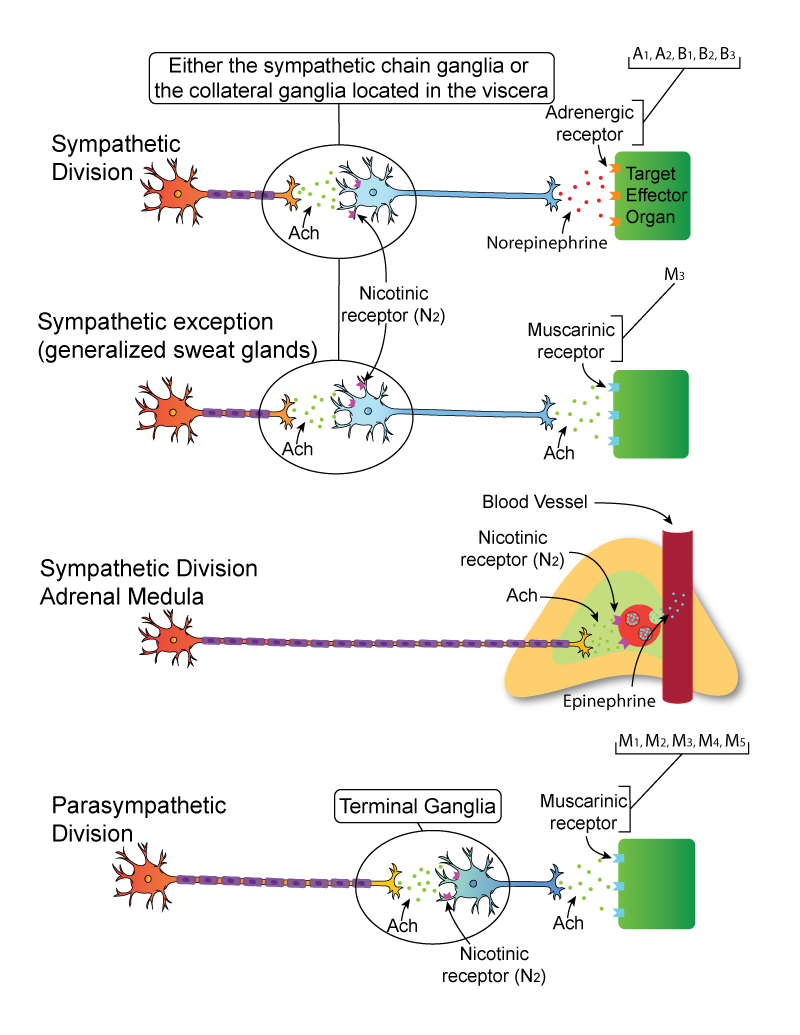
2.1. Basic Physiologic Review


-
The ANS regulates involuntary body functions (heart rate, digestion, bronchi, pupils, glands).
-
Divided into:
-
Sympathetic (adrenergic): “fight or flight” – ↑ heart rate, dilate bronchi, dilate pupils, divert blood to muscles.
-
Parasympathetic (cholinergic): “rest and digest” – ↓ heart rate, ↑ GI motility, constrict pupils, stimulate secretions.
-
-
Drugs can modify these by: stimulating (agonists) or blocking (antagonists) either branch.
2.2. Classification of Autonomic Drugs
Major classification groups:
-
Cholinomimetics (parasympathomimetics) – mimic acetylcholine at muscarinic/nicotinic receptors or inhibit acetylcholinesterase.
-
Anticholinergics (parasympatholytics) – block cholinergic receptors.
-
Sympathomimetics (adrenergic agonists) – stimulate alpha/beta adrenergic receptors.
-
Sympatholytics (adrenergic antagonists) – block the adrenergic receptors (alpha-blockers, beta-blockers, etc.)
2.3. Sympathomimetic Agents (Adrenergic Agonists)

Mechanism: Activate adrenergic receptors (α, β) in target organs → mimic sympathetic stimulation.
Main classes & examples
-
Non-selective: e.g., adrenaline (epinephrine) – acts on α & β.
-
α1 agonists: e.g., phenylephrine (vasoconstrictor).
-
β1 agonists: e.g., dobutamine (cardiac stimulant).
-
β2 agonists: e.g., salbutamol (bronchodilator) for asthma.
Indications: Anaphylaxis (adrenaline), asthma/bronchospasm, cardiogenic shock, nasal congestion.
Key side-effects: Tachycardia, hypertension, arrhythmias, tremor, anxiety.
Key point for diploma students: Recognise that these drugs increase sympathetic output and expect “fight or flight” effects.
2.4. Sympatholytic Agents (Adrenergic Antagonists)

Mechanism: Block adrenergic receptors → reduce sympathetic effects. pharmaguideline.com+1
Main classes & examples:
-
α-blockers: e.g., prazosin (reduce peripheral resistance).
-
β-blockers: e.g., propranolol (non-selective), metoprolol (β1 selective) – reduce heart rate, blood pressure.
Indications: Hypertension, angina, arrhythmias, benign prostatic hyperplasia (for α-blockers).
Side-effects: Bradycardia, hypotension, bronchospasm (with β2 block), impotence, fatigue.
Key point: They reduce “fight or flight” output – useful when sympathetic overactivity is harmful.
2.5. Parasympathomimetic Agents (Cholinergic Agonists)
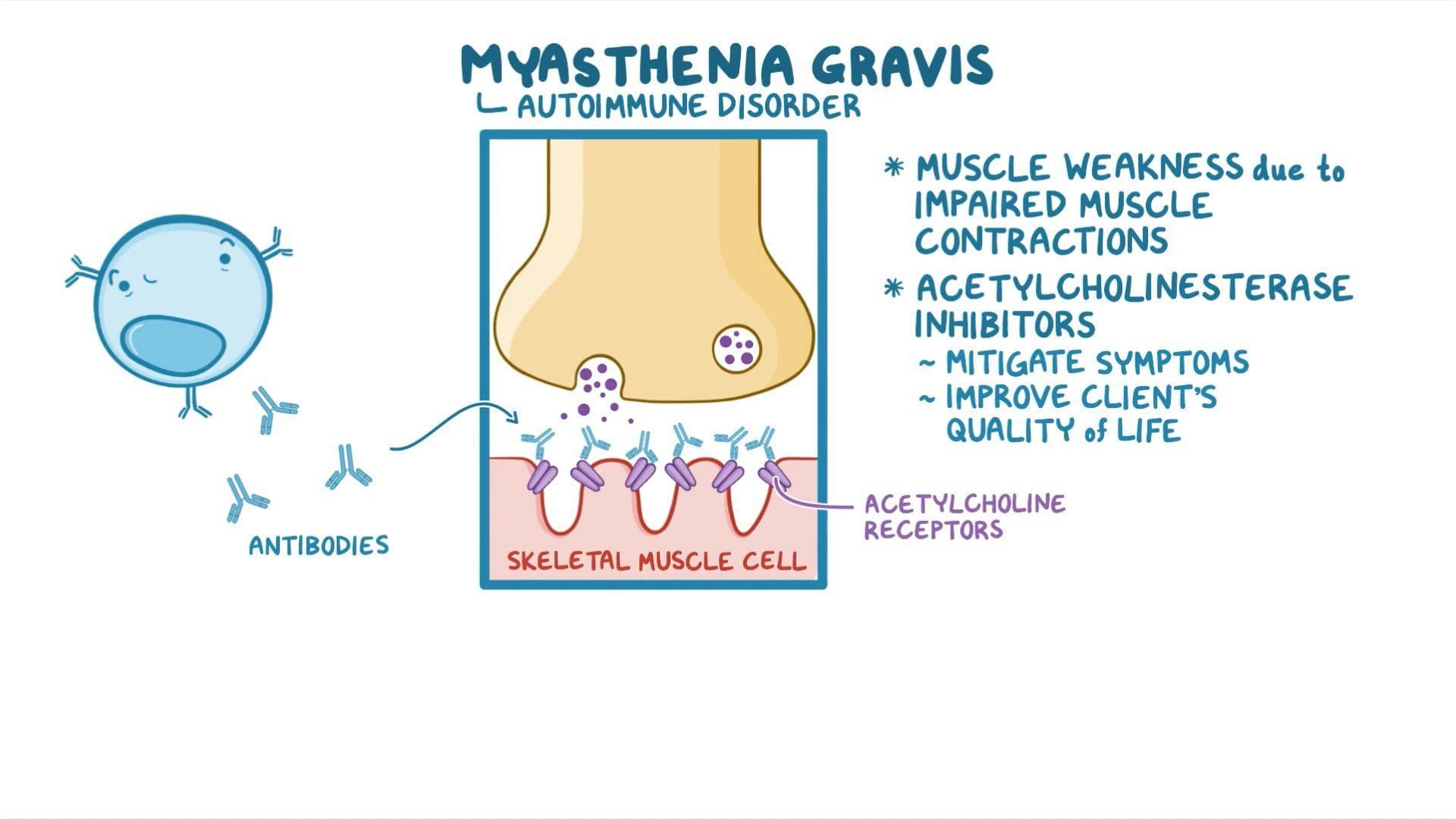
Mechanism: Stimulate muscarinic/nicotinic receptors or inhibit acetylcholinesterase → increase parasympathetic tone.
Examples:
-
Direct-acting muscarinic agonists: bethanechol (bladder/urinary retention), pilocarpine (glaucoma).
-
Indirect acting (acetylcholinesterase inhibitors): neostigmine (myasthenia gravis), physostigmine.
Indications: Urinary retention, glaucoma, myasthenia gravis.
Side-effects: Diarrhoea, bradycardia, bronchospasm, sweating, salivation.
Key point: They promote rest-and-digest responses.
2.6. Parasympatholytic Agents (Cholinergic Antagonists)

Mechanism: Block muscarinic receptors → reduce parasympathetic tone.
Examples: Atropine (↑ heart rate, reduce GI motility, mydriasis), ipratropium (bronchodilator).
Indications: Bradycardia, pre-anaesthetic (to reduce secretions), overactive bladder, COPD/asthma (anticholinergic inhalers).
Side-effects: Dry mouth, blurred vision, constipation, urinary retention, tachycardia.
Key point: They dampen rest-and-digest responses, so expect opposite effects to parasympathomimetic agents.
2.7. Summary Table – ANS Drug Classes
| Drug‐class | Branch affected | Mechanism | Key clinical uses | Common side-effects |
|---|---|---|---|---|
| Sympathomimetics | Sympathetic ↑ | Agonist at α/β | Asthma (β2), anaphylaxis (α/β), shock | Tachycardia, HTN, tremor |
| Sympatholytics | Sympathetic ↓ | Block α/β | Hypertension, angina, arrhythmias | Bradycardia, hypotension |
| Parasympathomimetics | Parasympathetic ↑ | Stimulate muscarinic/nicotinic or inhibit AChE | Urinary retention, glaucoma, myasthenia gravis | Diarrhea, bronchospasm |
| Parasympatholytics | Parasympathetic ↓ | Block muscarinic receptors | Bradycardia, COPD/asthma (anticholinergic), pre-operative | Dry mouth, tachycardia, urinary retention |
2.8. Clinical Notes & “Practical” Tips
-
Always consider which receptor is involved (α vs β, muscarinic vs nicotinic) for mechanism and side-effects.
-
Remember the balance between sympathetic and parasympathetic systems – many diseases or drug effects disturb this balance.
-
Think of what the body would do in fight/flight (symp) vs rest/digest (parasymp) – then predict what the drug will mimic or block.
-
For practical use: know the key examples (bethanechol, atropine, salbutamol, propranolol) and their indications and side-effects.
-
In your “practical” sessions you will often be asked: “which drug would you use for X condition?” (e.g., urinary retention → bethanechol; bradycardia induced by overdose → atropine).
-
Also important: drug interactions and contraindications (e.g., β-blockers in asthma risk bronchospasm; anticholinergics in glaucoma worsen it).
3. CNS Drugs (Broader Nervous System Agents)
Because of vastness, I’ll summarise the major categories with key points and examples. For each category: classification, mechanism (brief), major drugs, indications, key side-effects.
3.1. CNS Stimulants
Mechanism: Increase CNS activity (e.g., through catecholamine release, blocking reuptake).
Examples: Amphetamines, methylphenidate (for ADHD), caffeine.
Indications: ADHD, narcolepsy, sometimes obesity (less common now).
Side-effects: Insomnia, tachycardia, hypertension, dependence.
Key student point: Recognise that stimulants increase alertness, treat sleepiness and inattentiveness.
3.2. Hypnotics, Sedatives & Tranquillisers
Mechanism: Depress CNS activity – varying depth from mild sedation to sleep induction to full anaesthesia.
Classification & examples:
-
Benzodiazepines (e.g., diazepam, lorazepam) – sedative/tranquiliser/hypnotic.
-
Non-benzodiazepine hypnotics (e.g., zolpidem).
-
Barbiturates (less used now).
Indications: Anxiety, insomnia, pre-operative sedation, seizures (some).
Side-effects: Drowsiness, dependence, respiratory depression (especially with alcohol or opioids), cognitive impairment.
Key student point: Distinguish sedative/tranquilliser (reduce anxiety) vs hypnotic (induce sleep) vs anaesthetic (loss of consciousness).
3.3. Antiepileptic / Anticonvulsant Drugs
Mechanism: Various (block sodium channels, enhance GABA, inhibit calcium channels).
Examples: Phenytoin, carbamazepine, valproate, lamotrigine.
Indications: Epilepsy (various types), sometimes mood stabilisation.
Side-effects: Ataxia, sedation, hepatotoxicity (valproate), blood dyscrasias (carbamazepine), teratogenicity.
Key student point: Know which drug for generalised vs focal seizures; monitor hepatic/haematologic side-effects.
3.4. Antidepressants & Anxiolytics
Mechanism: Increase availability of serotonin, norepinephrine, dopamine; anxiolytics usually enhance GABA or block anxiety circuits.
Examples: SSRIs (fluoxetine), SNRIs (venlafaxine), TCAs (amitriptyline), benzodiazepines (for anxiety).
Indications: Depression, anxiety disorders, sometimes chronic pain.
Side-effects: Sexual dysfunction (SSRIs), weight gain, sedation (TCAs), withdrawal (benzodiazepines), serotonin syndrome (when combined).
Key student point: SSRIs are first-line for depression; anxiolytics for short-term use; avoid long-term benzodiazepine dependence.
3.5. Analgesics, Antipyretics & Anti-Inflammatory Agents
a) Non-Opioid Analgesics & Antipyretics
Mechanism: Inhibit prostaglandin synthesis (e.g., COX inhibitors) → reduce pain/inflammation/fever.
Examples: Paracetamol (acetaminophen), ibuprofen, aspirin.
Indications: Mild/moderate pain, fever, inflammation (mild).
Side-effects: Gastric irritation/ulcer (NSAIDs), liver damage (paracetamol overdose), bleeding (aspirin).
b) Opioid Analgesics
Mechanism: Bind µ-opioid receptors in CNS → inhibit pain pathways.
Examples: Morphine, codeine, tramadol.
Indications: Moderate to severe pain.
Side-effects: Respiratory depression, constipation, dependence, sedation, nausea.
c) Non-Steroidal Anti-Inflammatory Drugs (NSAIDs)
Mechanism: Block COX1/COX2 → reduce prostaglandins.
Examples: Ibuprofen, naproxen, diclofenac.
Indications: Pain, inflammation (arthritis, gout), fever.
Side-effects: GI bleeding, renal impairment, cardiovascular risk (some).
d) Steroids as Anti-Inflammatory Agents
Mechanism: Glucocorticoids → suppress multiple inflammatory pathways (cytokines, prostaglandins, leukotrienes).
Examples: Prednisone, dexamethasone.
Indications: Severe inflammation (autoimmune disease, asthma exacerbation), immunosuppression.
Side-effects: Hyperglycaemia, immunosuppression, osteoporosis, adrenal suppression, weight gain.
Key student point: Distinguish analgesic vs anti-inflammatory; know when opioids vs non-opioids; NSAIDs carry GI/renal/cardiac risks; steroids carry many systemic side-effects.
3.6. Drugs for Rheumatic Diseases & Gout; Rigidity & Tremor Controllers
Rheumatology/gout:
-
Drugs for gout: e.g., allopurinol (xanthine oxidase inhibitor), colchicine.
-
Drugs for rheumatoid arthritis and other rheumatic diseases: NSAIDs, steroids, disease-modifying antirheumatic drugs (DMARDs – methotrexate), biologics (beyond diploma scope maybe).
Rigidity & Tremor Controllers (e.g., Parkinson’s disease): -
Dopaminergic agents (levodopa), dopamine agonists (pramipexole), anticholinergics (trihexyphenidyl) for tremor, rigidity.
Key student point: Know gout drug mechanism; tremor/rigidity controllers often adjust dopaminergic/anticholinergic balance in CNS.
3.7. Anaesthetics & Muscle Relaxants
Local Anaesthetics: e.g., lidocaine – block sodium channels locally to stop nerve conduction.
General Anaesthetics: e.g., propofol, inhalational agents (sevoflurane) – various mechanisms producing loss of consciousness, analgesia, muscle relaxation.
Skeletal Muscle Relaxants:
-
Depolarising (succinylcholine) – neuromuscular block at NMJ.
-
Non-depolarising (rocuronium) – block ACh at NMJ.
Opioid Analgesics in Anaesthesia: Provide analgesia, sedation; e.g., fentanyl.
Key student point: Understand which agents are used for local vs general anaesthesia; muscle relaxants allow surgery; opioids augment anaesthesia.
3.8. Practical Notes – Drugs Acting on Nervous System
-
For your practical sessions: you may be asked to choose a drug for a scenario (e.g., anaesthesia for surgery: general anaesthetic + muscle relaxant; gout acute attack: colchicine + NSAID; tremor in Parkinson’s: trihexyphenidyl).
-
Also expect dose, side-effects, monitoring parameters (e.g., opioids → monitor respiratory rate; NSAIDs → monitor kidney function & GI bleed; antidepressants → monitor mood changes, suicidal ideation).
-
Clinical correlations: always link mechanism → clinical effect → side-effect (and contraindications).
-
Use flowcharts and tables to summarise: e.g., analgesic ladder, classification of antiepileptics by mechanism, classification of antidepressants by generation.
